Individual Sports is one of three physical education credit courses, and can also be taken as an elective. Individual Sports promotes a desire for physical fitness, lifetime physical activity, and healthy leisure time habits through individual activities, sports, and games. Good sportsmanship, respect and responsibility are incorporated in Individual Sports. All activities are aligned with the six Ohio Standards for Physical Education. Some activities include golf, yard games, bowling, adventure education games, badminton, pickle ball, fitness and light weight lifting. State fitness testing will also be conducted at the beginning and end of the semester.
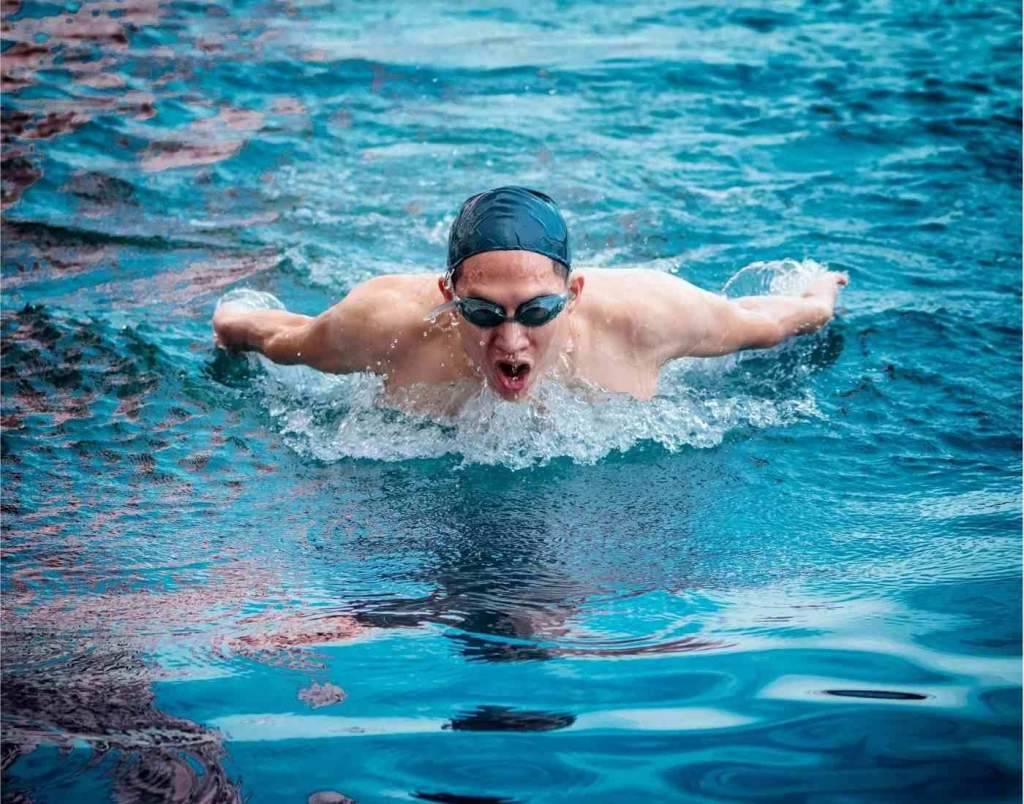
1. SWIMMING (sport)
-Swimming is an individual or team racing sport that requires the use of one’s entire body to move through water. The sport takes place in pools or open water (e.g., in a sea or lake). Competitive swimming is one of the most popular Olympic sports, with varied distance events in butterfly, backstroke, breaststroke, freestyle, and individual medley. In addition to these individual events, four swimmers can take part in either a freestyle or medley relay. A medley relay consists of four swimmers who will each swim a different stroke, ordered as backstroke, breaststroke, butterfly and freestyle.Swimming each stroke requires a set of specific techniques; in competition, there are distinct regulations concerning the acceptable form for each individual stroke.There are also regulations on what types of swimsuits, caps, jewelry and injury tape that are allowed at competitions. Although it is possible for competitive swimmers to incur several injuries from the sport, such as tendinitis in the shoulders or knees, there are also multiple health benefits associated with the sport
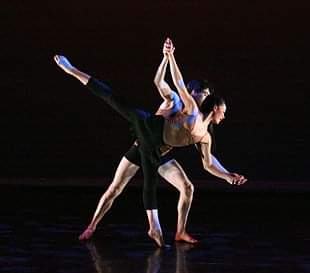
- DANCING
-dance, the movement of the body in a rhythmic way, usually to music and within a given space, for the purpose of expressing an idea or emotion, releasing energy, or simply taking delight in the movement itself.
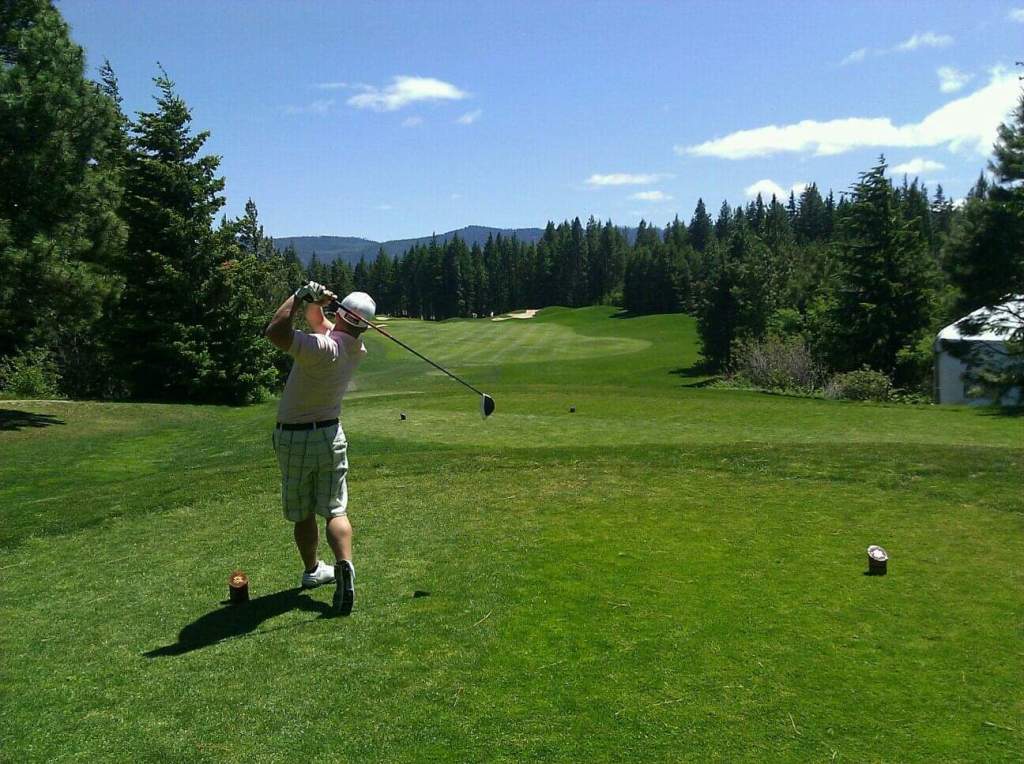
3.GOLFING
-Golf is a club-and-ball sport in which players use various clubs to hit balls into a series of holes on a course in as few strokes as possible.Golf, unlike most ball games, cannot and does not use a standardized playing area, and coping with the varied terrains encountered on different courses is a key part of the game. Courses typically have either 18 or 9 holes, regions of terrain that each contain a cup, the hole that receives the ball. Each hole on a course contains a teeing ground to start from, and a putting green containing the cup. There are several standard forms of terrain between the tee and the green, such as the fairway, rough (tall grass), and various hazards such as water, rocks, or sand-filled bunkers. Each hole on a course is unique in its specific layout.Golf is played for the lowest number of strokes by an individual, known as stroke play, or the lowest score on the most individual holes in a complete round by an individual or team, known as match play. Stroke play is the most commonly seen format at all levels, especially at the elite level.The modern game of golf originated in 15th century Scotland. The 18-hole round was created at the Old Course at St Andrews in 1764. Golf’s first major, and the world’s oldest tournament in existence, is The Open Championship, also known as the British Open, which was first played in 1860 at the Prestwick Golf Club in Ayrshire, Scotland. This is one of the four major championships in men’s professional golf, the other three being played in the United States: The Masters, the U.S. Open, and the PGA Championship.
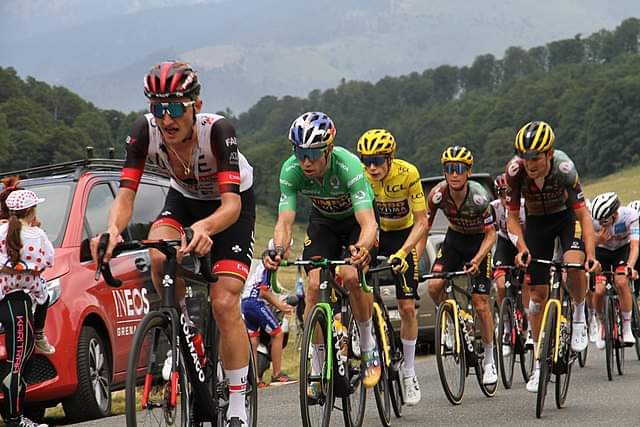
4.BICYCLING
-Bicycles were introduced in the 19th century and now number approximately one billion worldwide.They are the principal means of transportation in many parts of the world, especially in densely populated European cities.Cycling is widely regarded as an effective and efficient mode of transportation optimal for short to moderate distances.Bicycles provide numerous possible benefits in comparison with motor vehicles, including the sustained physical exercise involved in cycling, easier parking, increased maneuverability, and access to roads, bike paths and rural trails. Cycling also offers a reduced consumption of fossil fuels, less air and noise pollution, reduced greenhouse gas emissions,and greatly reduced traffic congestion. These have a lower financial cost for users as well as for society at large (negligible damage to roads, less road area required). By fitting bicycle racks on the front of buses, transit agencies can significantly increase the areas they can serve.In addition, cycling provides a variety of health benefits and reduces the risk of cancers, heart disease, and diabetes that are prevalent in sedentary lifestyles. Cycling on stationary bikes have also been used as part of rehabilitation for lower limb injuries, particularly after hip surgery. Individuals who cycle regularly have also reported mental health improvements, including less perceived stress and better vitality.Among the disadvantages of cycling are the requirement of bicycles (excepting tricycles or quadricycles) for the rider to have certain level of basic skill in order to remain upright, the reduced protection in crashes in comparison to motor vehicles,often longer travel time (except in densely populated areas), vulnerability to weather conditions, difficulty in transporting passengers, and the fact that a basic level of fitness is required for cycling moderate to long distances.
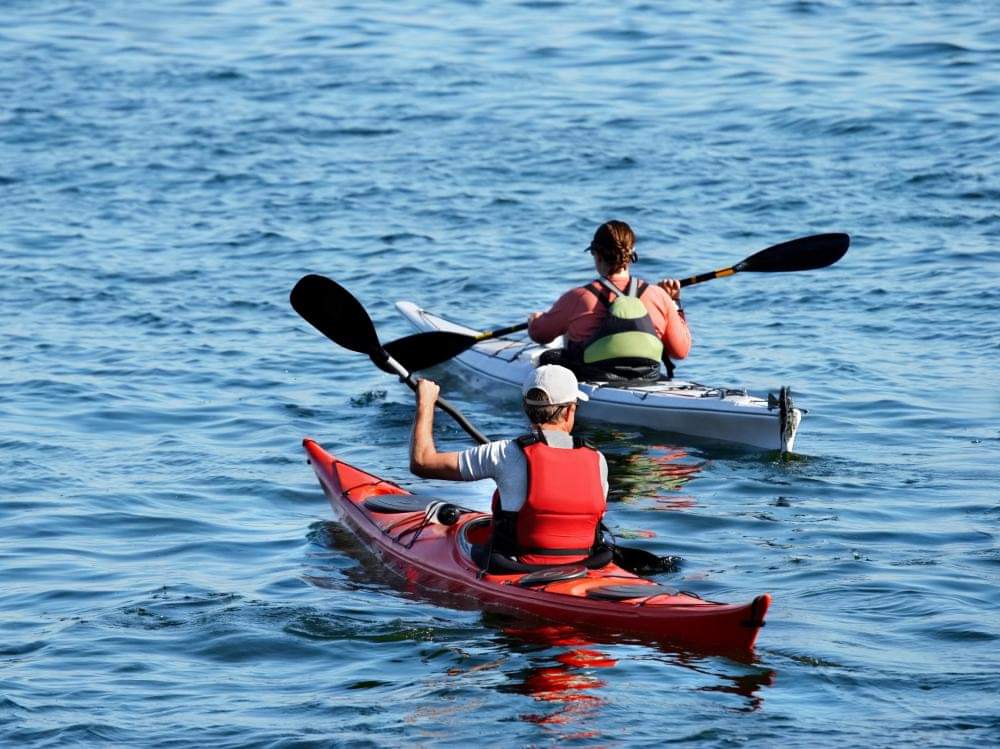
5.KAYAKINGPaddleboarding is a water sport in which participants are propelled by a swimming motion using their arms while lying or kneeling on a paddleboard or surfboard in the ocean or other body of water. A derivative of paddleboarding is stand up paddleboarding also called stand up paddle surfing.
6.ICE SKATING
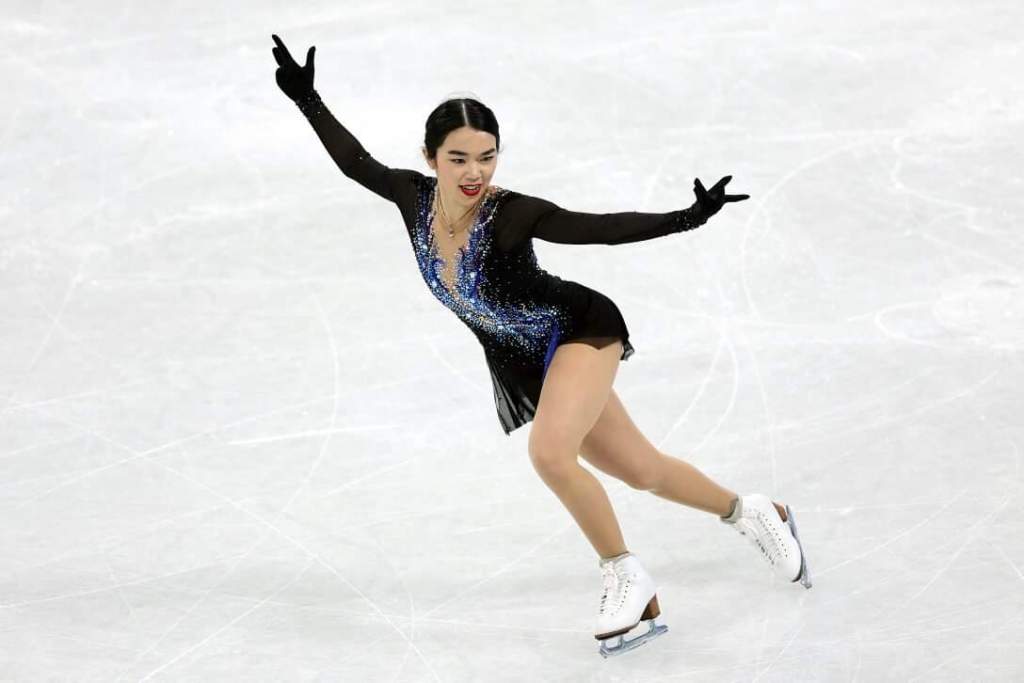
-Ice skating is the self-propulsion and gliding of a person across an ice surface, using metal-bladed ice skates. People skate for various reasons, including recreation, exercise, competitive sports, and commuting
7. SURFING
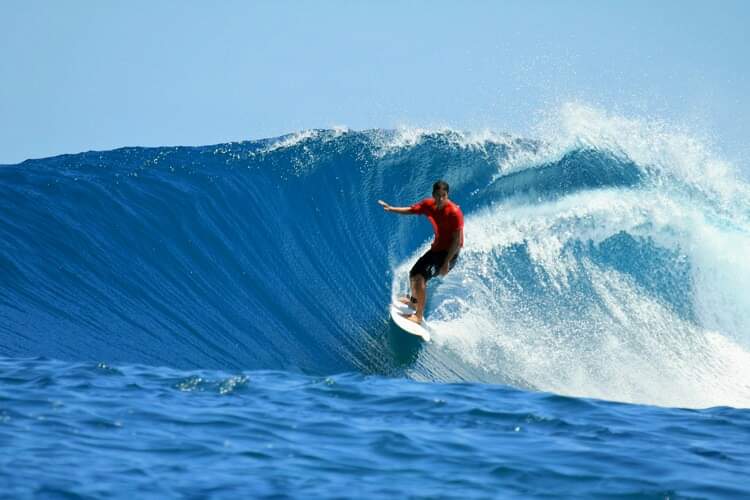
-Surfing is a surface water sport in which an individual, a surfer (or two in tandem surfing), uses a board to ride on the forward section, or face, of a moving wave of water, which usually carries the surfer towards the shore. Waves suitable for surfing are primarily found on ocean shores, but can also be found in standing waves in the open ocean, in lakes, in rivers in the form of a tidal bore, or in wave pools.The term surfing refers to a person riding a wave using a board, regardless of the stance. There are several types of boards. The Moche of Peru would often surf on reed craft, while the native peoples of the Pacific surfed waves on alaia, paipo, and other such water craft. Ancient cultures often surfed on their belly and knees, while the modern-day definition of surfing most often refers to a surfer riding a wave standing on a surfboard; this is also referred to as stand-up surfing.Another prominent form of surfing is body boarding, where a surfer rides the wave on a bodyboard, either lying on their belly, drop knee (one foot and one knee on the board), or sometimes even standing up on a body board. Other types of surfing include knee boarding, surf matting (riding inflatable mats) and using foils. Body surfing, in which the wave is caught and ridden using the surfer’s own body rather than a board, is very common and is considered by some surfers to be the purest form of surfing. The closest form of body surfing using a board is a handboard which normally has one strap over it to fit on one hand.Three major subdivisions within stand-up surfing are stand-up paddling, long boarding and short boarding with several major differences including the board design and length, the riding style and the kind of wave that is ridden.In tow-in surfing (most often, but not exclusively, associated with big wave surfing), a motorized water vehicle such as a personal watercraft, tows the surfer into the wave front, helping the surfer match a large wave’s speed, which is generally a higher speed than a self-propelled surfer can produce. Surfing-related sports such as paddle boarding and sea kayaking that are self-propelled by hand paddles do not require waves, and other derivative sports such as kite surfing and windsurfing rely primarily on wind for power, yet all of these platforms may also be used to ride waves. Recently with the use of V-drive boats,[clarification needed] Wakesurfing, in which one surfs on the wake of a boat, has emerged.[citation needed] As of 2013, the Guinness Book of World Records recognized a 23.8 m (78 ft) wave ride by Garrett McNamara at Nazaré, Portugal as the largest wave ever surfed.During the winter season in the northern hemisphere, the North Shore of Oahu, the third-largest island of Hawaii, is known for having some of the best waves in the world. Surfers from around the world flock to beaches like Backdoor, Waimea Bay, and Pipeline. However, there are still many popular surf spots around the world: Teahupo’o, located off the coast of Tahiti; Mavericks, California, United States; Cloudbreak, Tavarua Island, Fiji; Superbank, Gold Coast, Australia.In 2016 surfing was added by the International Olympic Committee (IOC) as an Olympic sport to begin at the 2020 Summer Olympics in Japan.The first gold medalists of the Tokyo 2020 surfing men and women’s competitions were, respectively, the Brazilian Ítalo Ferreira and the American from Hawaii, Carissa Moore.
8.PUDDLE BOARDING
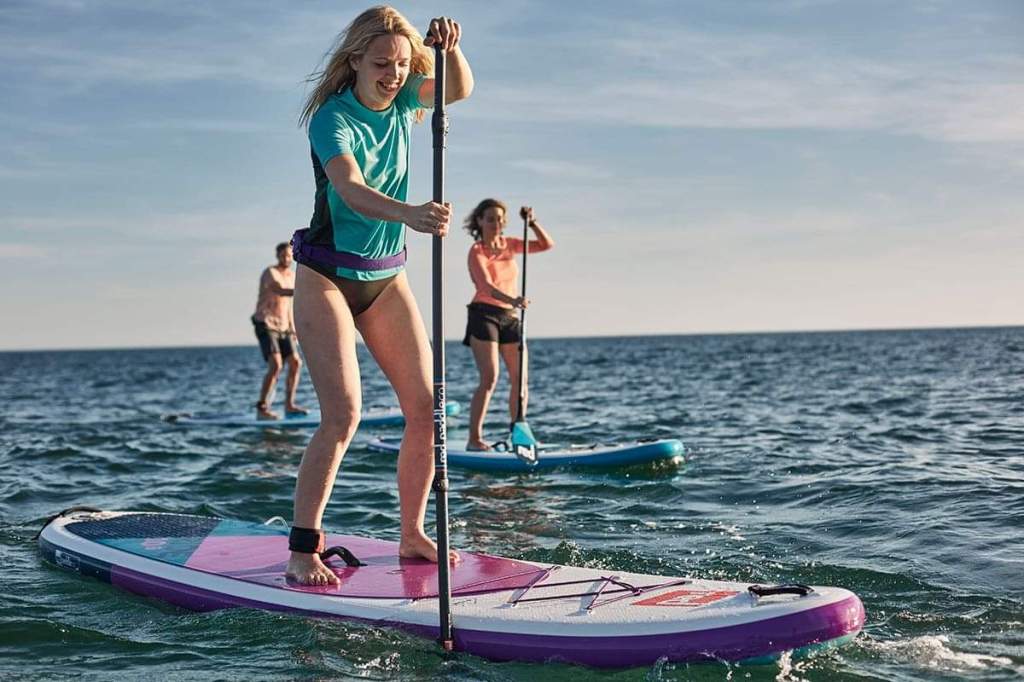
-Paddleboarding is a water sport in which participants are propelled by a swimming motion using their arms while lying or kneeling on a paddleboard or surfboard in the ocean or other body of water. A derivative of paddleboarding is stand up paddleboarding also called stand up paddle surfing.
DUAL SPORTS
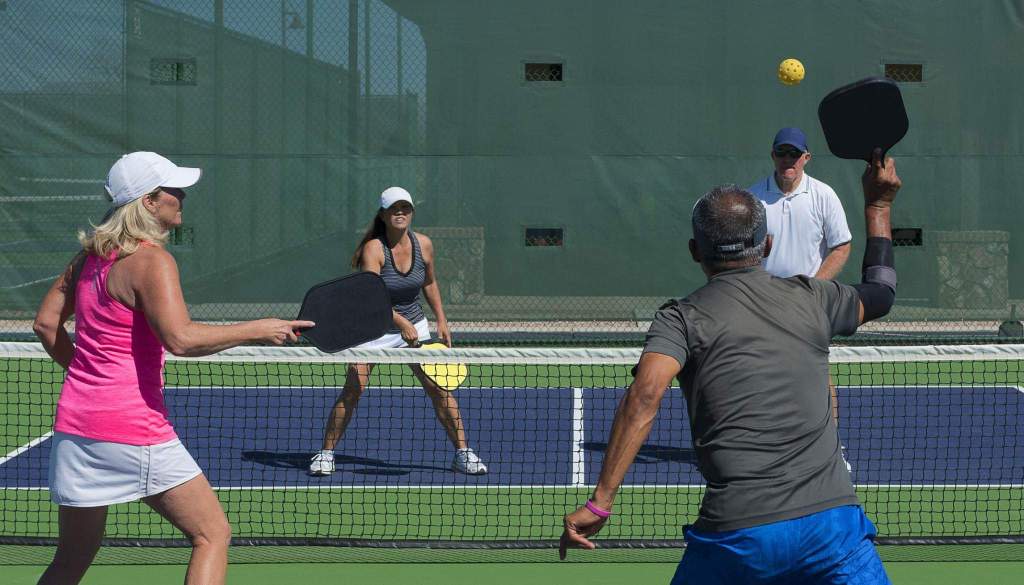
Dual sports are played by two people opposing each other, whereas team sports involve organized groups of people competing against each other. Many sports rely on goals, which are points scored in soccer, lacrosse and floor hockey, while other sports rely on points with a touchdown, runs or falls.
EXAMPLE OF DUAL SPORTS
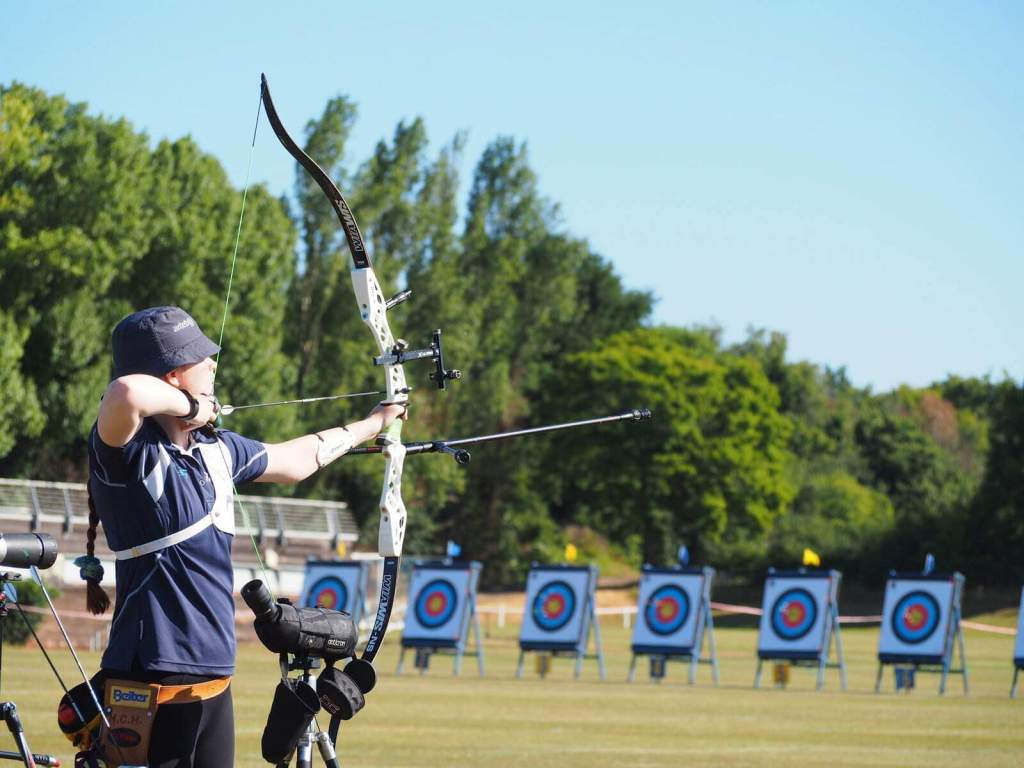
ARCHERY is the sport, practice, or skill of using a bow to shoot arrows. The word comes from the Latin arcus, meaning bow. Historically, archery has been used for hunting and combat. In modern times, it is mainly a competitive sport and recreational activity. Wikipedia
The earliest evidence of archery dates to the late Paleolithic period, around 10,000 BC, when the Egyptian and neighbouring Nubian cultures used bows and arrows archery for the purposes of hunting and warfare. In China, archery dates back to the Shang dynasty
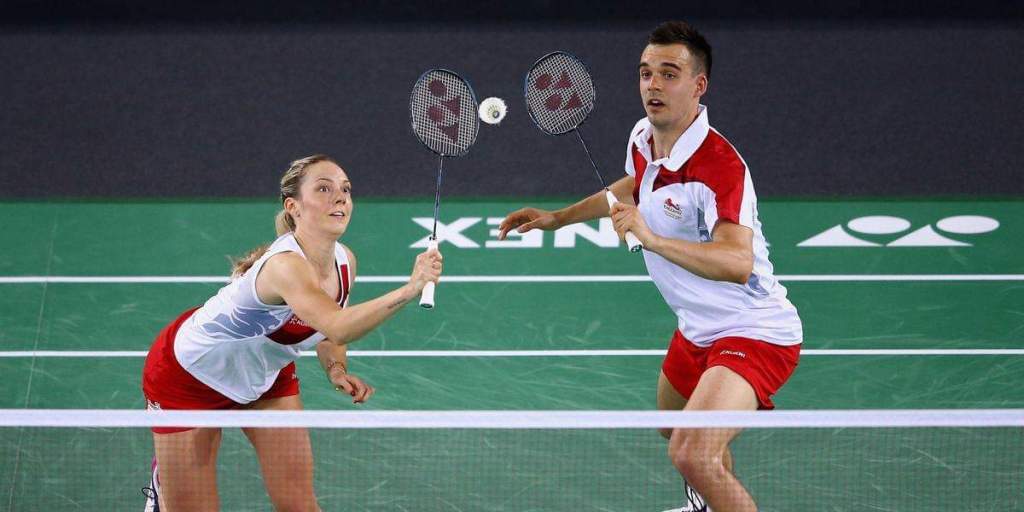
BADMINTON is a racquet sport played using racquets to hit a shuttlecock across a net. Although it may be played with larger teams, the most common forms of the game are “singles” (with one player per side) and “doubles” (with two players per side). Badminton is often played as a casual outdoor activity in a yard or on a beach; formal games are played on a rectangular indoor court. Points are scored by striking the shuttlecock with the racquet and landing it within the opposing side’s half of the court.
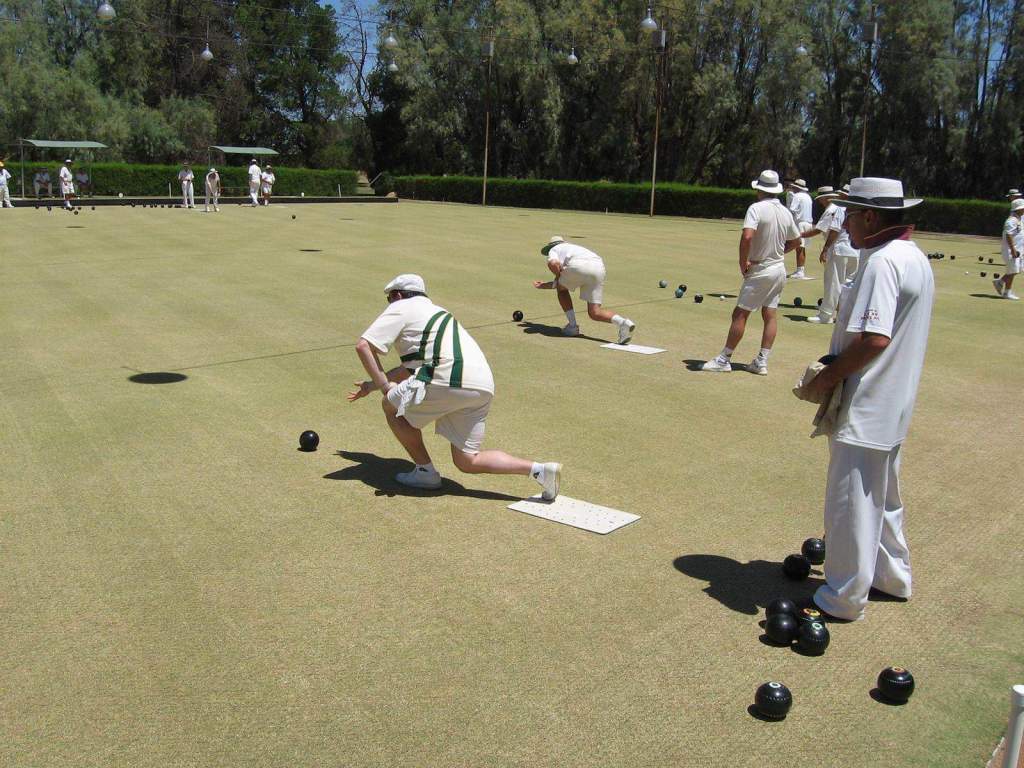
BOWLING also called tenpins, game in which a heavy ball is rolled down a long, narrow lane toward a group of objects known as pins, the aim being to knock down more pins than an opponent.
GYMNASTICS is a sport involving tests and demonstrations of balance, strength, and agility through physical exercises, many of which are performed using special equipment.
RACQUETBALL. This game is much like tennis, except there is no net. Instead, the server hits the ball off of the opposing wall and the opponent must try to return the ball, again hitting it back against the wall. In racquetball, points can only be awarded to the server. Much like tennis, racquetball can be played either singles or doubles
SKATING the action or activity of gliding on ice skates or roller skates as a sport or pastime.
“hockey is a great live sport because of the speed and grace of skating”

SWIMMING in recreation and sports, the propulsion of the body through water by combined arm and leg motions and the natural flotation of the body.
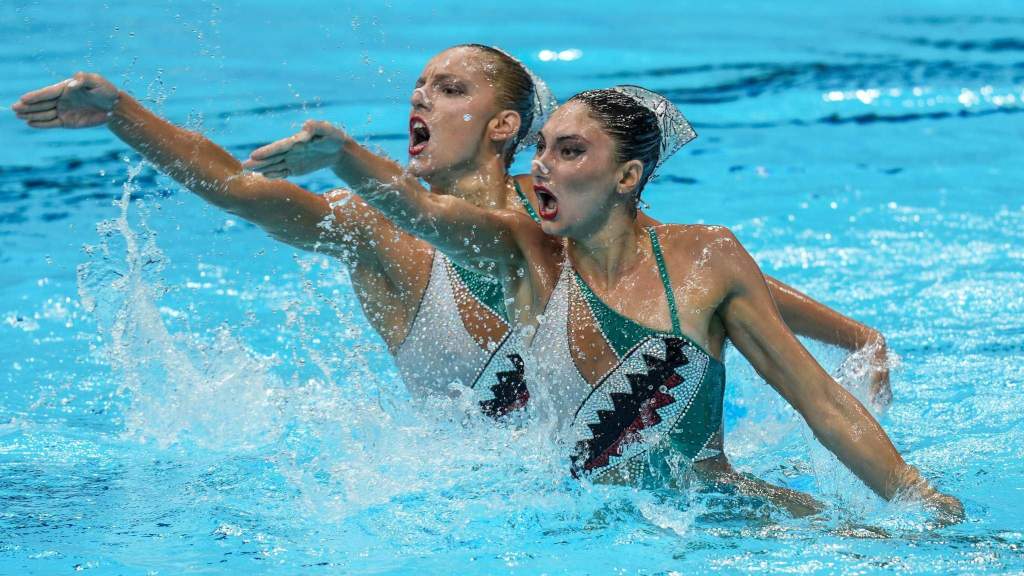
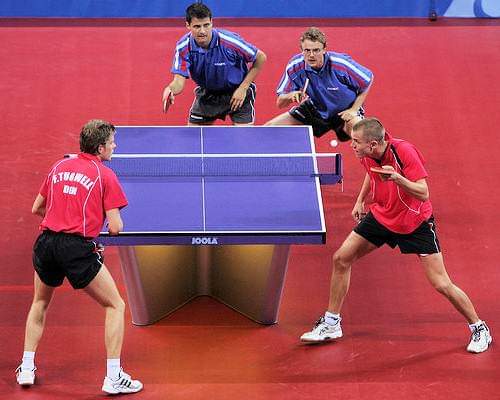
TABLE TENNIS also known as ping-pong and whiff-whaff, is a sport in which two or four players hit a lightweight ball, also known as the ping-pong ball, back and forth across a table using small solid rackets. It takes place on a hard table divided by a net.
By Mery Joy Bangloy

 Site Title